844-643-7355

How to Build a Customized Strategic Growth Plan to Maximize Business Value
Most business growth plans miss the mark because they rely on generic advice, not your unique situation. If you want to maximize business value, your strategy must fit your company’s strengths, risks, and goals. We’ll show you a clear, practical framework to build a customized strategic growth plan that prepares you for a profitable sale or stronger operations. For further insights, visit this resource.
Building Your Strategic Growth Plan

You’ve got a vision for your business, but how do you turn that into reality? Let’s explore the steps to build a plan that truly boosts your company’s worth.
Understanding Your Current Business Valuation
Knowing your business’s worth is the first step. This isn’t just about numbers; it’s about understanding your market position and potential. Consider how your earnings, assets, and market trends influence valuation.
-
Start with a formal appraisal to pinpoint where you stand. This helps you see clear opportunities and challenges.
-
Remember, it’s not just about your current figures but where you want them to be.
Regular evaluation keeps you on track and ready for unexpected offers. Check out this article for more on this topic.
Identifying Key Areas for Value Enhancement
Boosting value isn’t just about cutting costs or increasing sales. It’s about strategic improvements that make your business more attractive to potential buyers or investors.
-
Focus on areas like customer satisfaction and operational efficiency. These are crucial for long-term success.
-
Think about reducing risks. A business with fewer risks is naturally more appealing.
Most people think they need to overhaul their entire operation, but small, strategic changes can make a big difference. For more strategies, consider these insights.
Designing a Tailored Growth Strategy
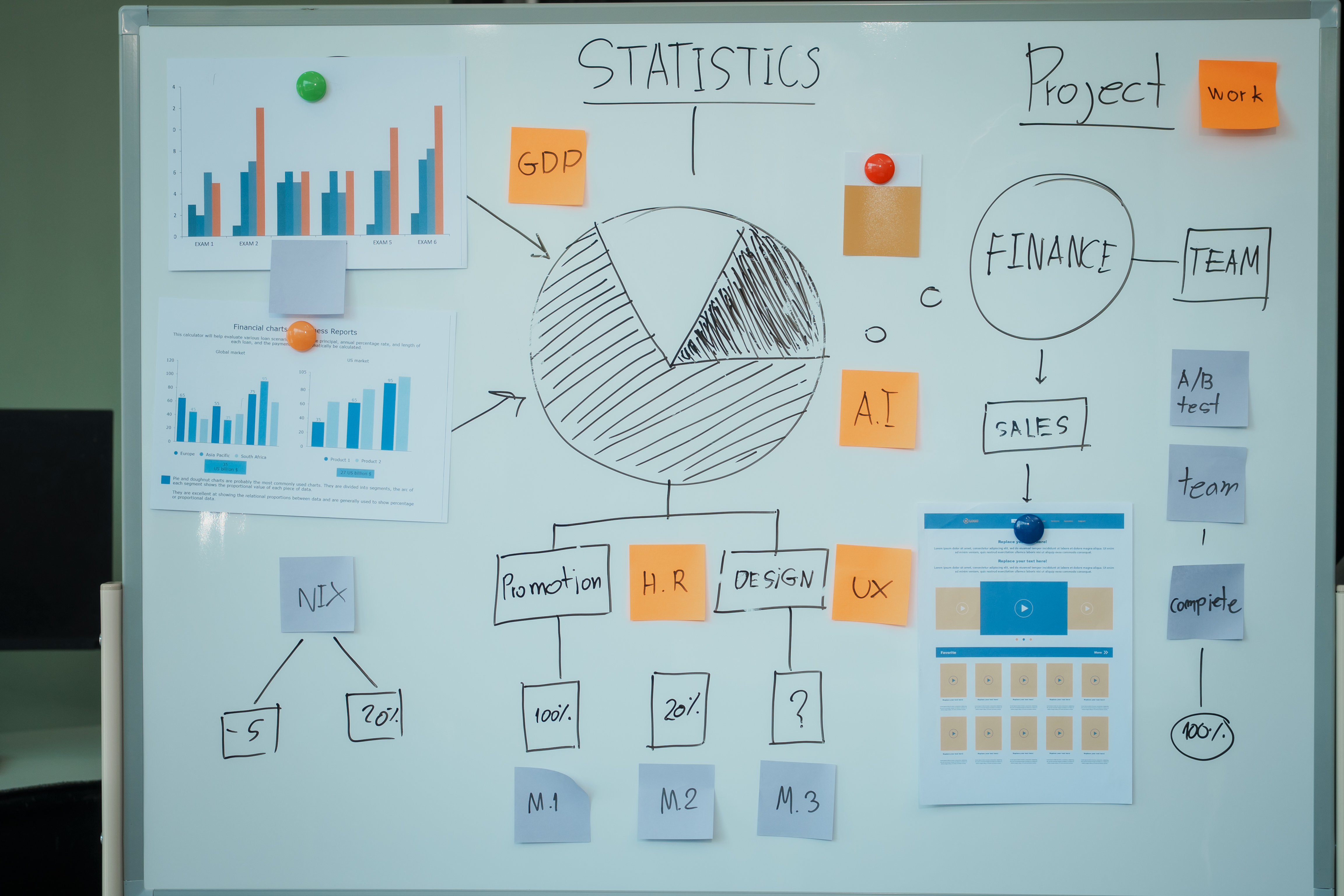
Now that you know your starting point and where to enhance, it’s time to design a plan that fits your unique business needs.
Creating a KPI Dashboard for Success
A KPI dashboard is like your business’s heartbeat. It helps you keep track of what’s working and what needs attention.
-
Choose metrics that matter most to your goals. This could be sales growth, customer retention, or profit margins.
-
Make sure these metrics are visible and regularly updated, so your team stays aligned.
By tracking these KPIs, you gain insights into your progress and can adjust strategies as needed. Discover more about crafting effective dashboards here.
Addressing Customer Concentration Risk
Relying too much on a few customers can be risky. If one leaves, it can significantly impact your business’s value.
-
Diversify your customer base to spread risk. This means seeking out new markets or client types.
-
Develop strong relationships with existing customers, ensuring they stay loyal.
Many assume their biggest clients are their best asset, but diversification can safeguard your business in the long run.
Preparing for Business Transition

Once your growth strategy is set, you need to prepare for eventual transitions, either in leadership or ownership.
Steps for Effective Exit Planning
Planning your exit isn’t just about setting a date. It’s about ensuring the business thrives without you.
-
Define your exit goals: Know what you want from the sale or transition.
-
Identify successors: If internal, groom them well in advance.
-
Secure finances: Ensure your financials are in top shape for scrutiny.
A well-planned exit means you leave on your terms, not out of necessity. For further guidance, consider attending this event.
Achieving Due Diligence Readiness
When selling, potential buyers will delve into your business details. Being prepared can speed up the process and increase buyer confidence.
-
Keep records organized and up-to-date. This includes financials, contracts, and compliance documents.
-
Highlight your business strengths and explain any weaknesses.
The longer you wait to prepare, the more stressful the process can become. By being ready, you position yourself for a smooth transition.
In conclusion, creating a strategic growth plan tailored to your business can unlock new opportunities and enhance your company’s value. As you embark on this journey, remember that every step taken today can lead to a more successful tomorrow.